爱思学 - 您的教育规划师



导语
上一篇关于留学中介大揭秘的文章反响热烈,很多同学和家长都表示对我写的内容深以为意,纷纷表示赞同,导致我的微信号一度被添加到限制使用,看来是天下留学生苦中介久矣。

我也帮助各位打破了对留学中介的滤镜,明白了留学申请的本质就是高考报志愿,只不过要用英语报个志愿罢了。还没有看过上一篇文章的同学可以先去看上篇推文,今天我要给各位解答关于雅思考试的各种疑难杂症。
01
新手区
如果你还是一个不太了解雅思的新手小白,请认真阅读新手区介绍。但如果你已经是和雅思有不共戴天之仇的雅思“高手”,请直接移步高手区。

1. 想留学我应该考雅思还是托福?
直接上结论,除非你打算去美国或加拿大留学,其余如英国、香港、新加坡、澳大利亚等地区都建议考雅思。虽然这些地区也接受托福成绩,但同等要求下托福的达标难度远高于雅思。

2. 我应该报哪种类型的雅思?我去英国就需要报UKVI雅思吗?
雅思分为学术类(A类),培训类(G类)。想留学的同学记住一定要报考学术类A类!!!
至于UKVI考试,也是A类的一种,是如果你的雅思总分不达标,需要去英国读语言班才需要报名的。如果你有自信考到目标分或者你为了省点money打算死磕雅思,没有读语言班的打算,不考到合格雅思分数绝不善罢甘休,则完全没有必要报考UKVI。
如果你表示已经对雅思大人五体投地,缴械投降,实在不想在考了,打算花个五六七八万去英国读语言班,则可以报考UKVI雅思,考出一份接近及格的雅思成绩,然后老老实实去英国体验沉(keng)浸(qian)式语言班。
3. 雅思考到多少分算过?什么是小分要求?
众所周知,雅思分为阅读、听力、写作、口语四个部分。香港院校通常只要求总分达到7.0或6.5,而英国学校会要求总分的同时,要求你所有单项成绩达到一定分数。例如6.5(6.0)表示你的总分要达到6.5,同时每个单项分数都至少同时达到6.0以上。对于广大中国学生来说,口语和写作达到6.0还是有一定的难度。至于雅思多少分算过,英国院校的理工科一般要求6.5(6.0),文社商科一般要求7.0(6.5)。对于前者来说一般达标即可,对于后者来说通常你的雅思成绩越高,申请越有优势。
4. 雅思评分标准是怎样的?
雅思大人做过最善良的事情便是计算总分时四舍五入。你的总分是四科单项成绩加起来除以4,倘若为6.25,则你的总分是6.5分。例如你的四科成绩分别为6.5、6.5、6.0、6.0,你的四科平均成绩为6.25,总成绩即为6.5,我一般称之为幸运6.5。同样另一位同学的四科成绩分别为7.5、7.0、6.0、6.0,他的总成绩仍为6.5,因为四科平均成绩为6.625,我一般称之为老倒霉蛋了。当然,幸运的你要知道你的6.5和“老倒霉蛋”的6.5还有很大差距,你距离7分还有很远的距离,需要每一科都至少提高0.5分。
5. 没有雅思成绩可以先提交申请吗?
根据我和广大留学者的经验,申请香港新加坡务必带合格雅思申请,包括理工科也至少先带一个接近及格的雅思成绩提交才有希望。
对于大四或应届生而言,英国院校则建议文社商科——尤其对语言要求高的专业带雅思申请,但对于申请工科的同学则无所谓,可以先申请拿到con-offer后努力达标雅思成绩。对于毕业多年的工作党而言,则建议至少带一个接近及格的雅思申请会增大录取概率。
6. 雅思6.5大概对应四六级多少分?
虽然众所周知,雅思和四六级完全两个概念,没法直接比较对应分数。但根据我多年的雅思备考以及教学经验,雅思成绩和四六级真的有非常强的相关性。
我不管您是不是裸考哈——我也不知道为什么每个来咨询的同学或家长在说自己四六级成绩的时候,都非要加一句裸考多少分。大学大家都忙得很,没人学个半年再去考四六级。通常如果四级580+,六级500+的学生,在自学雅思连续40天且保证每天至少2小时后(重点是这个红字!),总成绩可以达到6.5分。因为雅思不仅仅包括阅读和听力,还包括口语和写作这两项。四级500+、六级420+的同学,自学40天可达到6.0。六级550+的学生可以达到7.0。
肯定有没考过雅思的同学说我危言耸听,是不是忽悠卖课的啊。我看朋友圈好多人都7.0、6.5,他们英语和我差不多水平啊,认为自己也是裸考6.5,学一学轻松7.0的水平。
对此我只想说,在我毕业的顶级外国语院校,非英专学生雅思7.0也是above the average水平了,7.5/8.0的人不到10%,大部分人前两次考试也就是6.5的水平。至于为什么网上遍地7.0和考一万次不过的,因为只有月薪过两万的会晒工资单和月薪不到3000的会卖惨,大部分人都是介于两者之间的。很多人都是潜心学习雅思大半年甚至好几年,最后才发出那条雅思“裸考7.0”的朋友圈。

7. 雅思需要报班学吗?
根据羊老师对学生N年的观察以及授课经验,报班能提分的学生自学也能提分,自学学不明白的报班也一样学不明白。很多家长认为给孩子报个3万的雅思班,选个2w8的留学中介就是对得起孩子了,很多学生想着自己报个雅思班天天跟着上网课就是努力用功了。实不相瞒,这种心理的学生就像高中每天熬夜到凌晨三点的学生一样,都是自欺欺人,根本无法考到合格的雅思分数。
相信所有上过雅思班的同学都明白:阅读和听力课老师教的根本都不是英语知识,而是单纯的做题技巧,甚至猜题、懵题技巧。你课上听老师讲得明明白白,自己用老师那些技巧却一做题就错。但是!这根本不怪你,因为你的老师是能听懂听力,能看懂阅读文章,能做对题后倒推的做题技巧,也就是所谓的看着答案分析思路。你自己读不懂文章听不懂听力,单纯用那些技巧自然做不对题。口语课老师教的也是你说话的逻辑和内容,根本不可能短时间让你提升口语能力。只有写作课确实你可以跟着老师学到一些东西,但这些东西你也完全能在网上找到相应的资源去自学。
因此我建议每一个备考雅思的学生都能做到充分利用网上的资源自学雅思。只有已经充分了解雅思题型,并且已经至少考过一次雅思、清晰地知道自己学习的瓶颈与问题在哪里的同学,可以找雅思一对一课程,专门针对你自己的痛点进行学习。
不管你是雅思小白,还是久经沙场的雅思老手,都可以仔细阅读下面的雅思自学方法,我相信按照此方法你的雅思一定会在三个月内到达理想的分数。

01
高手区
相信所有读到这的同学都是和雅思结怨已久,有着多年爱恨情仇的老朋友了。以下的内容全是干货,我肝了一整个星期才精心制作好,详细程度完全是可以直接当雅思课件上课的程度,请同学们跟着我的思路完整过一遍所有题型。该文章适宜人群为雅思基础5.5-6.0并希望提升至6.5-7.0的同学。废话不多说,本篇将分别从阅读、听力、口语和写作入手,全面、详细的教你如何高效地自学备考雅思。
01
阅读
1
如何背单词?
很多同学问我阅读做题方法以及做题技巧,很多网课视频讲解的什么平行阅读法看似很好用,自己也听懂了,可为何自己却做不对?原因很简单,因为老师是在能读懂文章的前提下,根据答案倒推出的做题技巧。我见过很多同学钻研各种阅读题型,一旦出到自己不擅长的Heading或者词汇搭配,就直接在考场上崩溃。
我在大二暑假也曾参加过某机构的线下班,在充分认真地学习了阅读做题技巧后,阅读只考到7.0(对我来说很低了)。在充分学习雅思四年之后,我可以负责任地告诉大家,无论是雅思阅读还是考研阅读,所有的做题技巧在词汇量面前都不值一提。在大四我痛定思痛地背了2000个单词之后,我的后两次雅思阅读分别是8.0和8.5。

所以说词汇是一切阅读题的根基,我的技巧很简单,读懂文章,做题,不管任何题型,我都可以选出答案。当然雅思阅读中含有大量专业名词,在此我的建议就是不需要读懂每一句话,但是要读懂文章每一段落的中心思想。对于很多专有单词不必掌握其具体含义,只需把握这句话的大概意思即可。而哪些词汇是重点中的重点呢?其实如果你的六级阅读能达到180分,只需要抓住1000个左右阅读核心词即可达到7.5分。
但是要背哪些单词呢
在此我给大家分享一下我的背单词方法。
我会将所有不知道含义的单词分为三级:
-
第一级是我见过N次但是一时想不起来意思,也就是我很熟悉的单词,这类单词我称之为核心单词;
-
第二级是似乎眼熟,但是清楚的知道自己没背过的单词,这类单词我称之为重点单词;
-
第三级是我从未见过的单词,但是并不是专有名词,且在阅读过程中对理解文章产生影响,这类单词我称之为障碍词汇。
那么是边阅读边整理单词还是先做题后整理单词呢?我的建议是先掐时间做题,在对完答案后再认真整理单词。很多同学认为刷题越多越好,实则错误。做题时间和总结时间的比例应为1:3,也就是你花1h做完的一套雅思阅读题,要额外去花3小时整理并背诵。整理方法即为将单词分为上述的方法分级,久而久之,越来越多的障碍词汇便会变为重点词汇,随着做的题越来越多,你对单词也更熟悉,重点单词便会成为核心词汇。
此外,我在整理单词的时候有一个小技巧,就是对于核心词汇只整理英文单词,而不去写汉语意思,这样我每天都会过一遍自己容易忘的词汇,想不起来的再去查字典绝对会让你印象极为深刻,记忆的效果远大于直接对着汉语记单词。
下面是我自己曾经整理的核心词汇和重点词汇,同学们可以自己检验一下词汇量。核心词汇和重点词汇分别对应雅思阅读7.0和7.5的水平。如果你的阅读基础6.5以上并再熟练掌握这1000词,我相信你的阅读不可能低于7.5分。
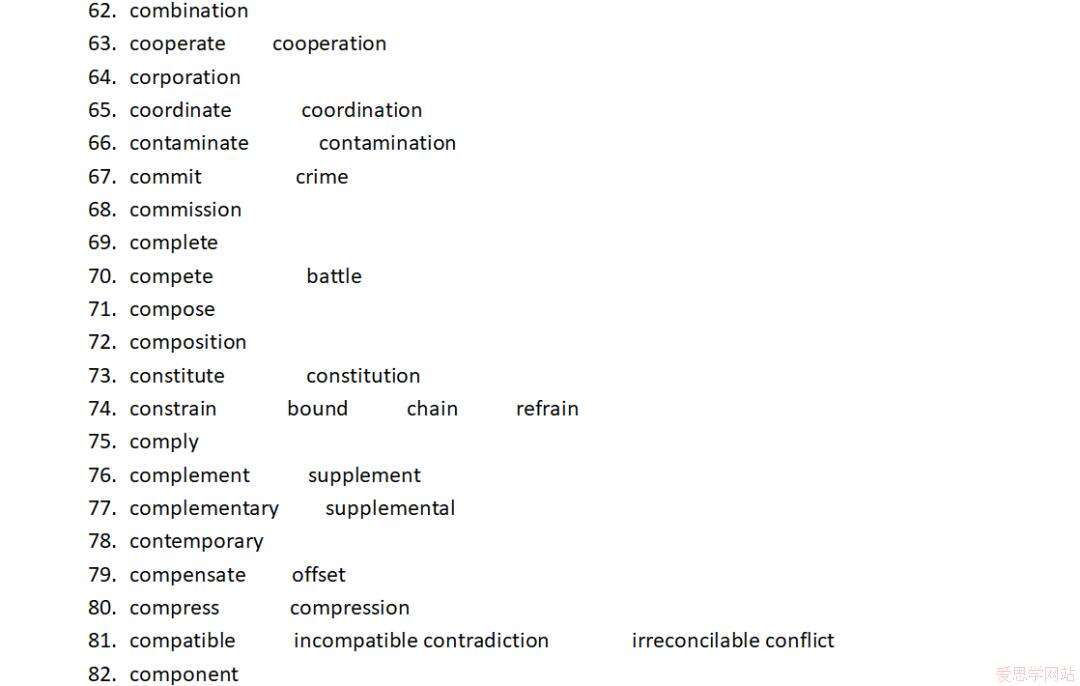
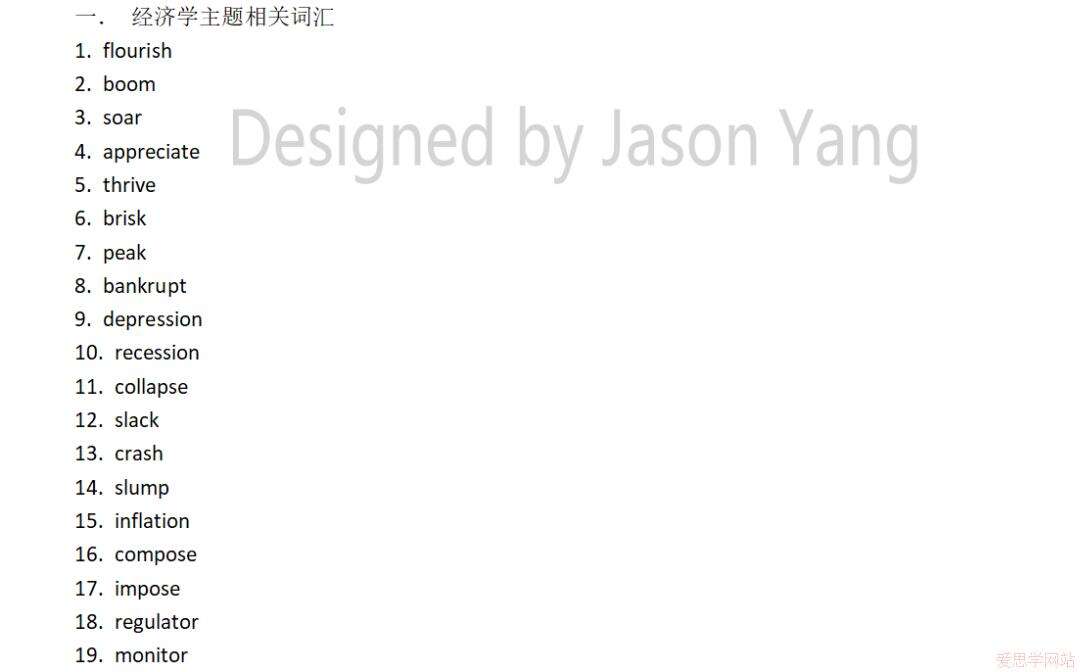
左右滑动查看更多
本来我打算让同学们免费领取资料,但由于上次我的微信被加到限制使用,为了把资料分享给真正有需要的同学,所以这次就9.9元一份,如果有需要的同学可以去文末添加微信领取。
2
阅读题型分类
虽然我上文曾说过,我做题从来不看题型分类,但对于英语基础较薄弱的同学,做到对基本题型的知己知彼,方能在考场中百战不殆。接下来我将详细阐述三篇阅读的时间分配以及一些易错题型做题的tips。
首先三篇阅读一个小时时间共40题:
-
想拿到8分只能错5个以内
-
7.5分错7个以内
-
7.0分错10个以内
我认为对于总分想拿6.5的同学,阅读是需要达到7.5分,也就是三篇共错7个。在雅思阅读考试中,Passage 1相对容易,我建议14分钟内做完且保证最多错一道题。Passage 2 & 3 没有明确的难度区别,我建议每篇22分钟以内。
题型1:单词填空
这类题型我叫做“回家题”,因为如果你错一个就可以回家了。

这类题型一般出现在Passage 1,哪怕读不懂文章也全能做对,纯粹就是送分题。因为所有单词都是原文原词没有变形,答案的填写都是按文章顺序进行,也就是说第4题的答案在文章中一定在出现第3题之后。记住单词填空不是比谁做的准,而是比谁做得快。很多雅思机构强调背所谓的“同义替换词”,我不否认背替换词对做阅读有帮助,但我不建议将更多时间放在记哪几个单词之间是“替换词”,而是更广泛地背所有单词的含义,从句子的含义上去理解整个题干。因为只有读懂题干的含义才能帮你更快地定位到原文段落所在位置,例如下面的超长段落。
The latter end of this date range would tie the carving of the horse in with occupation of the nearby Uffington hillfort, indicating that it may represent a tribal emblem marking the land of the inhabitants of the hilfort. Alternatively, the carving may have been carried out during a Bronze or lron Age ritual. Some researchers see the horse as representing the Celtic horse goddess Epona, who was worshipped as a protector of horses, and for her associations with fertility. However, the cult of Epona was not imported from Gaul(France) until around the first century CE. This date is at least six centuries after the Uffington Horse was probably carved. Nevertheless, the horse had great ritual and economic significance during the Bronze and Iron Ages, as attested by its depictions on jiewellery and other metal objects. It is possible that the carving represents a goddess in native mythology, such as Rhiannon, described in later Welsh mythology as a beautiful woman dressed in gold and riding a white horse.
Q:Possible reasons for creation of the Uffington White Horse:
-
an emblem to indicate land ownership
-
formed part of an ancient ritual
-
was a representation of goddess Epona-associated with protection of horses and __________(1)
-
was a representation of a Welsh goddess called ____________(2)
其中(1)题,根据专有名词goddess Epona快速找到原文所在句子。根据题干可知,horses和填空词为并列成分,应填写名词。后面有两个名词associations和fertility。由于前文已经出现了Epona-associated—由Epona掌管的,因此该题的答案即为fertility(生育能力)。该句话的意思为“一些研究者将这匹马视为代表着凯尔特人的司马女神Epona,她由于掌管着对马匹的保护和生育能力,而受世人膜拜。”
而第(2)题中,根据地理位置Welsh快速定位到最后一句话。a Welsh goddess called后显然是一个具体女神的名字,根据前后文可迅速将答案定位至such as后的大写名词Rhiannon。
虽然整段文章晦涩难懂,但是只要根据题干中的人名/专有名词/时间/地点等定位到答案句,根据词性确定备选词并做出判断,也可以短时间内轻松做对题目。
题型2:判断题型
我每次考试最爱的就是判断题,因为对我来说判断题简直就是送分题,基本上一分钟解决一个。

判断题的T/F/NG题目多出现Passage 1, Yes/No/NG多出现在后两篇,本质上没有区别,只不过第一篇较为简单。我知道很多学生搞不懂F和Not Given的区别,下面以剑16两道题为例,请同学们做出判断。(注意以下段落节选自不同文章)
段落一
Polar bears are being increasingly threatened by the effects of climate change, but their disappearance could have far-reaching consequences. They are uniquely adapted to the extreme conditions of the Arctic Circle, where temperatures can reach -40℃. One reason for this is that they have up to 11 centimetres of fat underneath their skin. Humans with comparative levels of adipose tissue would be considered obese and would be likely to suffer from diabetes and heart disease. Yet the polar bear experiences no such consequences.
Q1:Polar bears suffer from various health problems due to the build-up of fat under their skin. ( )
在第一题题干中“due to the build-up of fat under their skin”,定位到原文中“11 centimetres of fat underneath their skin”这句话说的虽然是北极熊皮肤下的厚厚脂肪,但没有提到北极熊的 health problems是由于脂肪造成的。
接着往下看,题干中的suffer from health problems刚好对应下一句话的“suffer from diabetes and heart disease”, 然而这里的疾病是人类由于肥胖导致的,而不是人家熊哥肥胖导致的。笨想也知道人家熊哥生活在北极,肯定需要厚厚的脂肪来抵御寒冬,怎们可能因此造成健康问题呢?
接着最后一句话“ Yet the polar bear experiences no such consequences”——“然而北极熊没有这种后果”验证了我们的猜想。因此该题答案为(False)。
段落二
The Uffington White Horse is a unique, stylised representation of a horse consisting of a long, sleek back, thin disjointed legs,a streaming tail, and a bird-like beaked head. The elegant creature almost melts into the landscape. The horse is situated 2.5 km from Uffington village on a steep slope close to the Late Bronze Age (c. 7th century BCE) hillfort of Uffington Castle and below the Ridgeway,a long-distance Neolithic track.
Q2:The fame of the Uffington White Horse is due to its size. ( )
在第二题中fame译为名声。该句话的意思为the Uffington White Horse 因为其形状而出名。显而易见,size对应文中“a long, sleek back, thin disjointed legs,a streaming tail, and a bird-like beaked head”,但该句话前面说到The Uffington White Horse是众多horse中一种unique(独特的), stylised(具有其风格的) representation(代表),并没有说到它是因为其size而出名,属于过度推断。因此该题答案为(Not Given)。

由此可见:
-
F表示文章和题干所说完全相反,且必须有足够证据推翻题干。
-
NG则表示题干的内容可能是对的,但是文章并不能证明他是对的。同理,我们也不能断定他是错的。很多时候NG的题干也会做出过度推断,在这些情况下答案都为NG。
题型3:段落匹配
匹配题型历来是同学们的心头之患,很多同学见到匹配直接头大。我很理解同学们的想法,因为匹配题型确实没有任何做题技巧,只有读懂文章才能选对,也是雅思阅读的拉分题。然而,这不代表我们要读懂文章的每一句话才能做对匹配题。很多时候只要把握住段落主旨大意也可以做对80%的题目。
关于先读文章还是先看题干的问题。因为我认为在没读文章的前提下,先看题干会一头雾水不知所云,所以我个人的方法是先通读文章,给每一个段落用汉语标记关键词和主旨,之后再去通读题干找到与段落对应的题目。

以剑17 Test 1 Part 2为例,建议同学们可以先尝试自己给每一段做标记,再看我给每一段的标记(在段落尾部)。为了避免先有答案后有思路的状况出现,在给每一段做标记之前,我并没有看任何题干部分,更没有提前去看题目答案。
Stadiums: Past, Present and Future
A
Stadiums are among the oldest forms of urban architecture: vast stadiums where the public could watch sporting events were at the centre of western city life as far back as the ancient Greek and Roman Empires, well before the construction of the great medieval cathedrals and the grand 19th- and 20th-century railway stations which dominated urban skylines in later eras. Today, however, stadiums are regarded with growing scepticism. Construction costs can soar above £1 billion, and stadiums finished for major events such as the Olympic Games or the FIFA World Cup have notably fallen into disuse and disrepair. But this need not be the case. History shows that stadiums can drive urban development and adapt to the culture of every age. Even today, architects and planners are finding new ways to adapt the mono-functional sports arenas which became emblematic of modernisation during the 20th century.
(A:体育场历史悠久,花销高,但有重要意义)
B
The amphitheatre* of Arles in southwest France, with a capacity of 25,000 spectators, is perhaps the best example of just how versatile stadiums can be. Built by the Romans in 90 AD, it became a fortress with four towers after the fifth century, and was then transformed into a village containing more than 200 houses. With the growing interest in conservation during the 19th century, it was converted back into an arena for the staging of bullfights, thereby returning the structure to its original use as a venue for public spectacles. Another example is the imposing arena of Verona in northern Italy, with space for 30,000 spectators, which was built 60 years before the Arles amphitheatre and 40 years before Rome’s famous Colosseum. It has endured the centuries and is currently considered one of the world’s prime sites for opera, thanks to its outstanding acoustics.
(B:一个罗马人建造、曾被改建成斗牛用的体育场。)
C
The area in the centre of the Italian town of Lucca, known as the Piazza dell’Anfiteatro, is yet another impressive example of an amphitheatre becoming absorbed into the fabric of the city. The site evolved in a similar way to Arles and was progressively filled with buildings from the Middle Ages until the 19th century, variously used as houses, a salt depot and a prison. But rather than reverting to an arena, it became a market square, designed by Romanticist architect Lorenzo Nottolini. Today, the ruins of the amphitheatre remain embedded in the various shops and residences surrounding the public square.
(C:一个意大利人建造、曾被改建为Market square的体育场)
D
There are many similarities between modern stadiums and the ancient amphitheatres intended for games. But some of the flexibility was lost at the beginning of the 20th century, as stadiums were developed using new products such as steel and reinforced concrete, and made use of bright lights for night-time matches. Many such stadiums are situated in suburban areas, designed for sporting use only and surrounded by parking lots. These factors mean that they may not be as accessible to the general public, require more energy to run and contribute to urban heat.
(D:现代体育场的缺点以及建立在远离城市的不便。)
E
But many of today’s most innovative architects see scope for the stadium to help improve the city. Among the current strategies, two seem to be having particular success: the stadium as an urban hub, and as a power plant. There’s a growing trend for stadiums to be equipped with public spaces and services that serve a function beyond sport, such as hotels, retail outlets, conference centres, restaurants and bars, children’s playgrounds and green space. Creating mixed-use developments such as this reinforces compactness and multi-functionality, making more efficient use of land and helping to regenerate urban spaces. This opens the space up to families and a wider cross-section of society, instead of catering only to sportspeople and supporters. There have been many examples of this in the UK: the mixed-use facilities at Wembley and Old Trafford have become a blueprint for many other stadiums in the world.
(E:现代体育场能提升城市、且多功能使用)
F
The phenomenon of stadiums as power stations has arisen from the idea that energy problems can be overcome by integrating interconnected buildings by means of a smart grid, which is an electricity supply network that uses digital communications technology to detect and react to local changes in usage, without significant energy losses. Stadiums are ideal for these purposes, because their canopies have a large surface area for fitting photovoltaic panels and rise high enough (more than 40 metres) to make use of micro wind turbines. Freiburg Mage Solar Stadium in Germany is the first of a new wave of stadiums as power plants, which also includes the Amsterdam Arena and the Kaohsiung Stadium. The latter, inaugurated in 2009, has 8,844 photovoltaic panels producing up to 1.14 GWh of electricity annually. This reduces the annual output of carbon dioxide by 660 tons and supplies up to 80 percent of the surrounding area when the stadium is not in use. This is proof that a stadium can serve its city, and have a decidedly positive impact in terms of reduction of CO2 emissions.
(F:体育场作为能源发电。)
G
Sporting arenas have always been central to the life and culture of cities. In every era, the stadium has acquired new value and uses: from military fortress to residential village, public space to theatre and most recently a field for experimentation in advanced engineering. The stadium of today now brings together multiple functions, thus helping cities to create a sustainable future.
(G:不同历史时期,体育场都有重要作用)
以上总结均是在我未看题干时总结,在真正考试期间,为了节约时间,该过程可以在心中进行,不必特意做标记。接下来我们去看题:
Q14: a mention of negative attitudes towards stadium building projects ( )
Q15:figures demonstrating the environmental benefits of a certain stadium ( )
Q16:examples of the wide range of facilities available at some new stadiums ( )
Q17:reference to the disadvantages of the stadiums built during a certain era ( )
首先我们通读题干后,将关键词标黄。其次我们注意到14、17题都提到了体育场的负面影响。根据我的标记,只有A段的“花销高”以及D段的“缺点不便”是消极段落。稍加分析可知A段是一些人对建造体育场的高昂成本表现出scepticism(怀疑)态度;D段为20世纪初期体育场的缺点与不便利之处。E段以及F段都提及到体育场的优点,但15题的环境优点只有在F段的“能源发电”体现。16题中的新体育场的设施恰好与E段的多功能使用相对应。因此14-17题的答案分别为:A F E D。
为了让同学们更好抓住做匹配题的思路,我特意选择了一篇较为基础的文章作为练习,考场实际难度可能会高于本篇文章。
但做题方法是不变的,匹配题只要抓住段落最中心的思想,再去题干中找与之对应的关键词,即可正确匹配。但是,做段落匹配题切忌在文章中直接找题干中的原词,因为大多数题干都会换一种说法,基本不会用到文章中的原文原词。
题型4:单项选择
单选题多出现在Passage 3。很多同学在面对此类题型时也十分头大,草草懵一个选项了事。诚然,单选题选项较多,占用时间较长,我也建议同学们最后做单选题。但最后做不代表放弃做,首先我们要明白单选题的实质:
70%的单选题都是四道判断题,你需要做的就是在四道判断题之中找出T的选项,其余都是F或NG。一般每道题的四个选项在文中对应的位置都在同一段落,这也相对降低了做题难度。
以下面的单选题为例,让我们做四道判断题。前文主要讲述抓捕一个流亡的国王。
To catch a king
Anna Keay reviews Charles Spencer’s book about the hunt for King Charles II during the English Civil War of the seventeenth century
Charles Spencer is the perfect person to pass the story on to a new generation. His pacey, readable prose steers deftly clear of modern idioms and elegantly brings to life the details of the great tale. He has even-handed sympathy for both the fugitive king and the fierce republican regime that hunted him, and he succeeds in his desire to explore far more of the background of the story than previous
本文由新航道温州学校整理发布,欢迎联系预约试听